
Nextivity PANIC BUTTON SERVICE
Leverage in-building cellular or public safety DAS infrastructure to notify authorities of an emergency.
Improve Response Time with Early Alert System
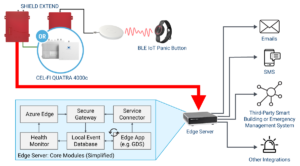
Nextivity Public Safety and cellular DAS boost radio and phone signals inside buildings while also supporting IoT devices and sensors such as panic buttons. This means the same communications infrastructure that keeps occupants and first responders connected can also act as an effective early warning system.
In an emergency, seconds matter—this principle drives Alyssa’s Law, school safety legislation now spreading across the U.S. The law aims to alert law enforcement and medical personnel as quickly as possible so they can remove threats and triage victims without delay. The more information responders have upon arrival—situational awareness—the better they can coordinate and act. Reliable, in-building connectivity powered by proven technology sits at the core of effective safety systems.
The Nextivity Panic Button Service delivers an alert and notification solution that can:
- Directly notify law enforcement during an emergency, as required in some jurisdictions (e.g., Alyssa’s Law)
- Integrate with a building’s existing emergency response platform using real-time alert protocols
- Send emergency notifications based on customer requirements and local regulations
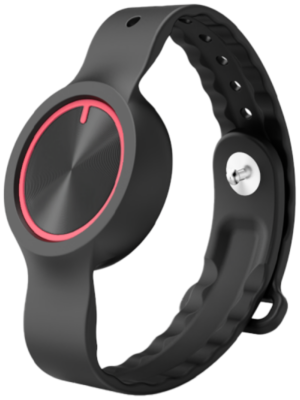
- Support both wearable and wall-mounted panic buttons
- Eliminate cellular and Public Safety / LMR dead zones across the site, ensuring phones and radios work everywhere, at all times